When to Replace Parts for Garage Door Replacement in University Place, WA
If you live in University Place, WA and are planning a garage door replacement, knowing which parts to replace now can save time and money later. This guide helps homeowners spot failing components, prioritize safety, and decide whether a single-part swap or a full system replacement makes sense for your home improvement plan.
How to assess whether parts need replacing
Start with a quick visual and operational check. Open and close the door several times and listen for unusual noises, jerking, or uneven movement. Look for obvious wear: frayed cables, rusted springs, loose rollers, or warped panels. Minor dents or chipped paint are cosmetic, but anything that affects balance, seals, or motor strain often signals the need for replacement.
Simple tests to run
- Balance test: disconnect the opener and lift the door halfway. A balanced door stays put; if it drifts, springs or cables likely need attention.
- Noise test: grinding or loud snapping often means bearings, rollers, or springs are failing.
- Visual scan: check rollers, tracks, hinges, and weatherstripping for wear or gaps that let moisture in — important for our Pacific Northwest climate.
Common parts to replace during a garage door replacement
When scheduling a garage door replacement, homeowners often choose to replace several wear items at once. Coordinating these swaps reduces repeat labor and keeps warranties intact.
Springs
Torsion or extension springs bear most of the door’s weight. Springs wear out with cycles — in WA’s variable weather, corrosion can shorten life. If springs are over 7–10 years old, or if they show rust or gaps, replace them during the garage door replacement to avoid a sudden failure.
Cables and drums
Cables fray and drums can wear grooves. Replace cables with new drums if there’s visible wear or if the cables are past their expected service life. Cables fail suddenly and can be dangerous; replacement during a door project is both cost-effective and safer.
Rollers and hinges
Rollers contribute to smooth travel. Nylon rollers on new doors are quieter and last longer than old steel rollers. If the door is noisy or tracks show uneven wear, upgrade rollers and hinges during the replacement.
Opener and electronics
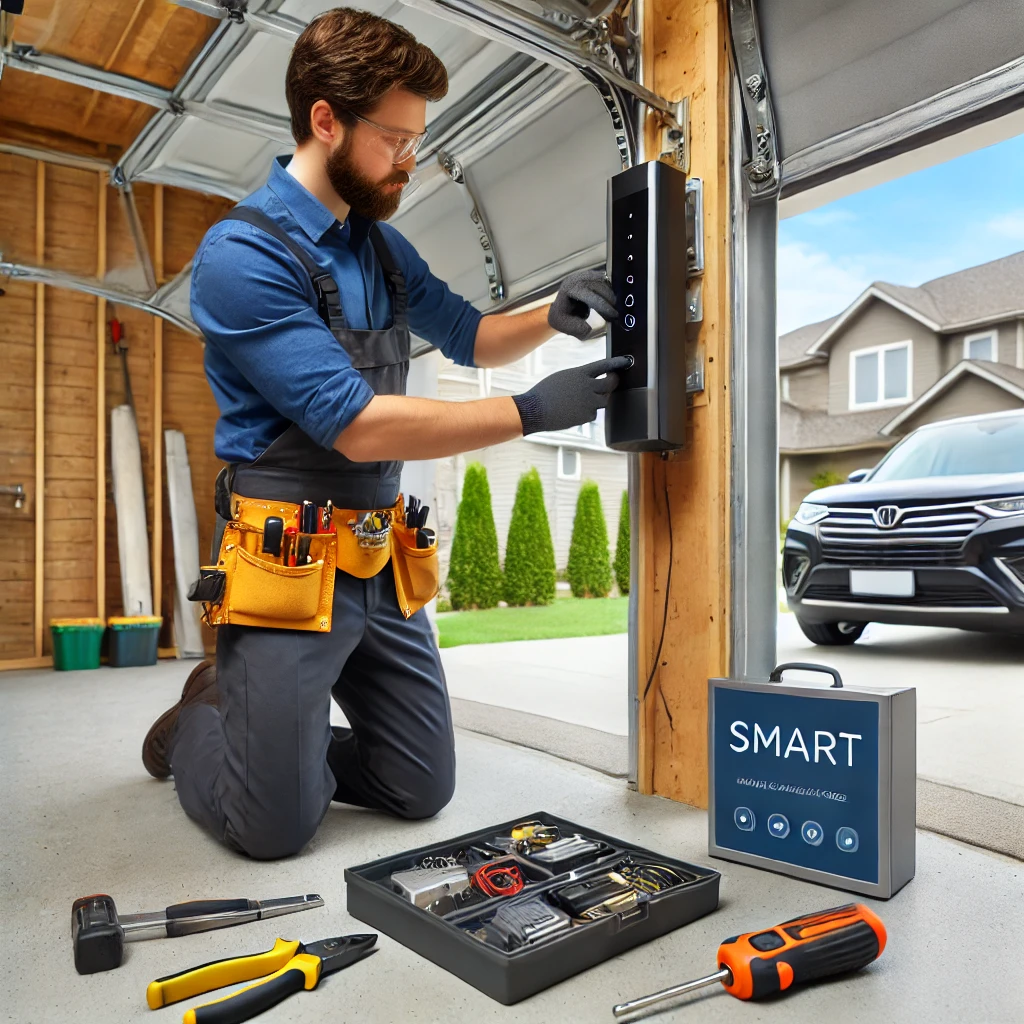
An older opener may not meet current safety standards or integrate with smart-home systems. Consider replacing the opener if it struggles with the new door weight, lacks safety reversal testing, or if you want quieter, belt-driven models. Also update sensors and keypads to ensure reliable operation and warranty compliance.
Weatherstripping and seals
New bottom seals and perimeter weatherstripping reduce drafts and dampness — important in University Place. Replace worn seals during installation to improve energy efficiency and protect the garage interior from moisture.
When to replace panels versus parts
Panels often get cosmetic damage from cars or storms. If a single panel is dented but the structure and mechanism are sound, replacing panels can be less expensive than a full door replacement. However, mix-and-match panels may look mismatched and can cause balance issues on older doors. If more than one panel is damaged or the door is older and showing multiple component failures, a full garage door replacement is usually the smarter investment.
Timing and budgeting for parts replacement
Plan timing around seasonal needs. In the rainy months, fixing seals and replacing corroded springs should be prioritized. For summer or when selling a home, focus on curb appeal with fresh panels and paint. When you schedule a door replacement, ask your technician for a parts list and a written estimate so you can budget upgrades and avoid repeat trips.
Typical cost considerations
- Springs and cables: moderate cost but critical for safety; replace in pairs when appropriate.
- Rollers and hinges: low-to-moderate cost; upgrading to nylon reduces noise and wear.
- Opener: higher cost; choose by door weight and desired features.
- Panels: cost varies by material and style; replacing multiple panels often tips cost toward a full replacement.
Why safety and local codes matter in University Place
Local building codes and permit requirements can affect what you replace and how installation is done. Some municipal rules require modern safety hardware and proper anchoring when replacing major components like the opener or tracks. Always confirm whether permits are needed before work starts.
If you need guidance on permits or want a professional inspection, contact us to schedule a site visit. A technician can list parts that should be replaced now and which can wait, plus provide written notes for permit applications.
Coordinating a long-term maintenance plan
A maintenance plan helps stretch component life. Schedule annual inspections, lubricate moving parts, tighten fasteners, and test safety reversals. Replacing high-wear parts during a garage door replacement makes future maintenance easier and gives technicians a baseline for future inspections.
For reading on common repair tips and seasonal care, visit our blog for short how-tos and local recommendations.
Choosing the right service for parts and replacement
Hire a residential service experienced with local weather and code requirements. Ask about warranties on parts and labor, whether they match springs and hardware to the new door weight, and if they perform a full safety check after installation. Our services page lists typical replacements and upgrade options if you want a clear price comparison before you call.
Final checklist before you replace parts
- Document broken or worn items with photos.
- Ask for itemized estimates and warranty details.
- Confirm whether permits are required in University Place, WA.
- Schedule work during dry weather if possible for better sealing and paint curing.
Replacing the right parts during a garage door replacement keeps your system safer, quieter, and longer lasting. If you want an on-site assessment or an estimate that lists recommended part replacements and timing, reach out through our contact page or call to schedule.
Frequently Asked Questions — University Place, WA
Q: How does our wet winter climate affect spring lifespan?
A: Salt-free coastal air and frequent moisture accelerate corrosion on springs, cables, and metal tracks. If those parts are over 5–7 years old and show rust, replace them during a garage door replacement to avoid rapid failure.
Q: Will I need a permit for replacing major components in University Place?
A: Permits can be required for structural changes or if you replace the opener or tracks in a way that affects anchoring. We recommend checking with the City of University Place building department; our technicians can provide documentation for permit filings.
Q: How long does a parts-focused replacement take?
A: Replacing springs, cables, rollers, and weatherstripping usually takes 2–4 hours. Swapping panels or installing a new opener can make it a half- or full-day job. We give firm arrival windows when you contact us to schedule.
Q: What price range should I expect for common replacements?
A: Expect spring and cable replacement to be a moderate expense, rollers/hinges lower, and openers or full door panel replacement higher. Exact pricing depends on door size, material, and warranty options; get an itemized estimate for accurate budgeting.
Q: Do replacement parts come with a warranty?
A: Most manufacturers offer parts warranties; labor warranties depend on the installer. Ask for written warranty terms before work begins so you know coverage for springs, openers, and new panels.
Helpful local resources in University Place, WA
- Garage Door Repair Seattle
- Garage Door Repair Bellevue
- Garage Door Repair Redmond
- Garage Door Repair Kirkland
- Garage Door Repair Mercer Island
- Garage Door Repair Edmonds
- Garage Door Repair Issaquah
- Garage Door Repair Tacoma
- Garage Door Repair Everett
- Garage Door Repair Bothell
- Garage Door Repair Sammamish
- Garage Door Repair Renton
- Garage Door Repair Lynnwood
- Garage Door Repair Woodinville
- Garage Door Repair University Place
- Garage Door Repair Gig Harbor
- Garage Door Repair Lakewood
- Garage Door Repair Puyallup
- Garage Door Repair Mukilteo
- Garage Door Repair Vancouver
- Garage Door Repair Kenmore
- Garage Door Repair Burien
- Garage Door Repair Auburn
- Garage Door Repair South Hill
- Garage Door Repair Yarrow Point
- Garage Door Repair Clyde Hill
- Garage Door Repair Port Townsend
- Garage Door Repair Duvall
- Garage Door Repair Snoqualmie