Intro: A safer approach for University Place homeowners
If you live in University Place, WA, taking a few practical steps can make a big difference when scheduling garage door opener repair. A malfunctioning opener affects daily routines and can be a real safety hazard — especially during wet Pacific Northwest seasons. This guide focuses on what homeowners can do before, during, and after a repair to reduce risk and protect family and property.
Why safety matters for garage door opener repair
Garage doors are heavy. When the opener fails, springs or cables can create unpredictable motion. Proper garage door opener repair reduces the chance of sudden falls, crushed vehicles, and pinching injuries. Qualified work also preserves the balance of the door so the emergency release works as intended.
Common local risks
- Corrosion from coastal humidity that weakens fasteners and affects sensors.
- Cold months that stiffen lubricant and strain motors.
- Debris and salt on tracks leading to uneven travel and unexpected stops.
Practical steps before a repair visit
Preparing your garage before a technician arrives keeps everyone safer and speeds up the service. Follow this checklist the morning of the appointment.
- Clear the area: Remove bikes, strollers, and cars so the tech has room to work and the door can operate freely.
- Power down safely: If you can access the circuit breaker, switch the opener circuit off until the pro arrives, then turn it back on when instructed.
- Note symptoms: Jot down noises, times of failure, and any recent bumps. Share these details so the technician can prioritize diagnostics.
- Check for visible damage: If springs are visibly broken or cables are off drums, step back and wait for the pro — do not try to operate the door.
For more reading about regular care and local tips, see our blog where we publish seasonal maintenance guides for University Place homeowners.
What to expect during a professional garage door opener repair
Licensed technicians follow a standard safety workflow. Knowing their steps helps you stay out of harm’s way and confirm the job is done right.
Standard diagnostic steps
- Visual inspection: hardware, tracks, and opener mounting points are checked for wear and corrosion.
- Balance test: The tech disconnects the opener and manually tests the door for smooth, even movement.
- Sensor alignment: Eyes are checked and cleaned to ensure automatic reversal functions correctly.
- Electrical check: Wiring and remote controls are inspected before replacing any components.
Why professional repair matters
Attempting DIY fixes on springs, cables, or the opener’s internal drive voids warranties and can be dangerous. A certified repair reduces the chance of a botched job and ensures the opener meets safety standards. If the issue looks complex or involves broken torsion springs, call to arrange a safe service visit via our contact page rather than attempting a risky fix.
After the repair: checks and simple maintenance
Once the work is complete, a quick set of tests will confirm safety and longevity.
- Auto-reverse test: Place a 2×4 on the floor under the door and close it. The door should reverse on contact.
- Remote and keypad tests: Verify all access points open and close the door consistently.
- Listen for unusual sounds: Grinding or metal-on-metal noise can indicate missed alignment or worn parts.
- Ask for documentation: A reputable technician will provide a brief list of parts replaced, a warranty period, and maintenance recommendations.
Many homeowners schedule seasonal tune-ups to extend the life of their system. Routine upkeep reduces emergency calls for garage door opener repair and keeps warranties valid.
Cost, timing, and local considerations for University Place
In University Place, average repair jobs vary with complexity. Simple sensor or remote fixes can be completed in under an hour; spring replacements or motor swaps often require several hours and a return visit if special parts are ordered.
Typical pricing ranges
- Sensor or remote programming: usually a low flat fee.
- Tune-up and lubrication: moderate, preventive cost.
- Spring or cable replacement: higher — these are labor- and parts-intensive.
- Opener motor replacement: varies by model and horsepower; discuss options with the technician.
Ask the service provider for a written estimate and a timeline. If you prefer to review available services before you call, check our services page for a quick overview of common repairs and upgrades offered locally.
Safety upgrades worth considering
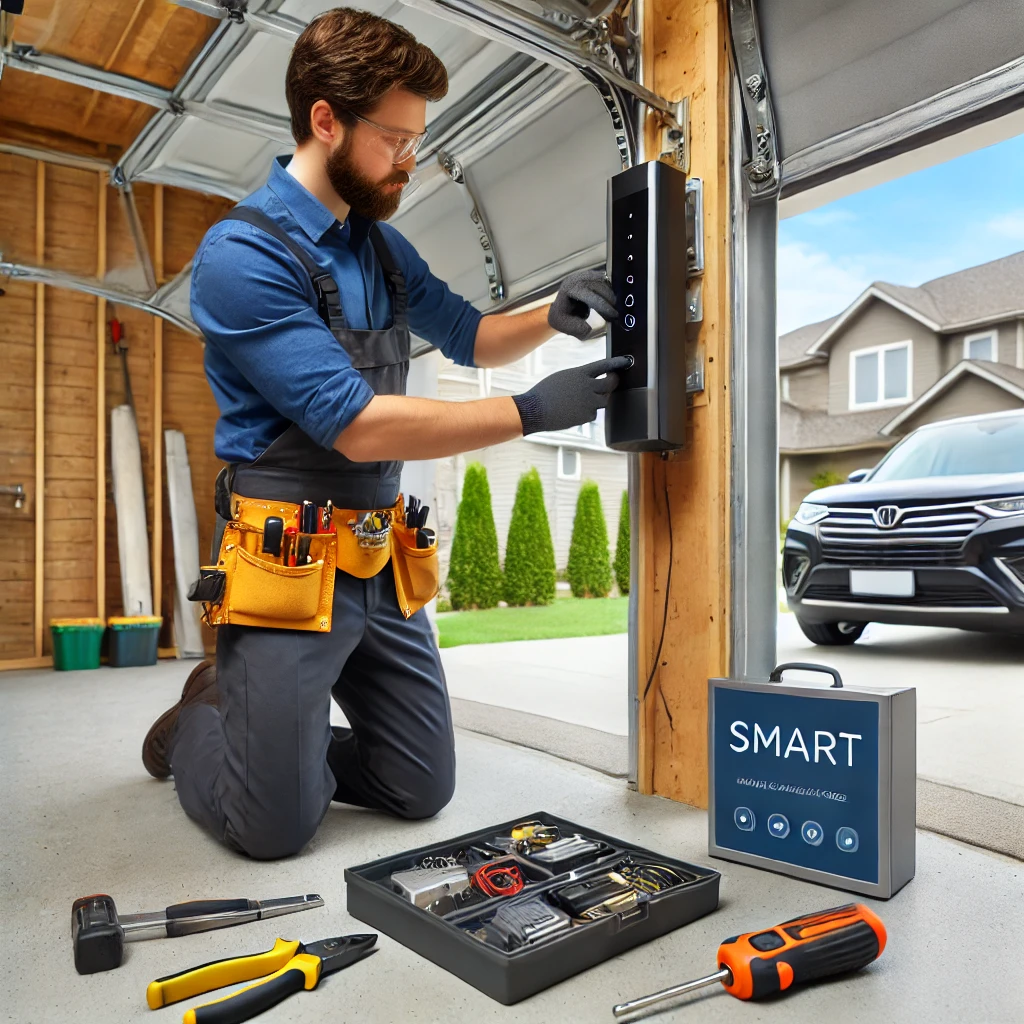
When you repair an opener, it’s a good time to add modern safety features that reduce future risk and increase convenience.
- Smart openers with rolling-code remotes to prevent code theft.
- Battery backup systems so the door can operate during outages, useful for storm-prone WA nights.
- Photo-eye sensor replacements to improve auto-reverse reliability in wet or foggy weather.
- Manual disconnect improvements for safer emergency operation.
Upgrades often pay back in reduced service calls and better home safety. Discuss compatibility with your existing door and tracks during the repair appointment.
When to call a pro vs. safe DIY
Safe DIY tasks: tighting loose bolts, cleaning tracks, and light lubrication. Dangerous DIY: spring adjustments, cable repairs, and internal opener motor service. If your door binds, is noisy, or the opener jerks, arrange professional garage door opener repair promptly to avoid escalation.
To schedule a safety-focused repair or ask about an on-site estimate, use our contact form — technicians can advise whether a same-day visit is needed based on your description.
Final checklist before the tech leaves
- Confirm the auto-reverse test was performed and witnessed.
- Get a written list of replaced parts and any remaining concerns to watch for.
- Request recommended maintenance intervals to keep the system safe and under warranty.
- Schedule a follow-up if the unit is older or the repair was a temporary fix.
Taking these steps reduces the likelihood of repeat service calls and makes garage door opener repair outcomes more predictable for University Place homeowners.
Frequently Asked Questions
Q: How does rainy, coastal weather in University Place affect repairs?
A: Humidity and salt can corrode fasteners and sensors, causing binding and electrical noise. Technicians will check for rusted hardware and recommend corrosion-resistant parts or protective treatments during garage door opener repair.
Q: How long will a typical opener repair take in our area?
A: Simple fixes like sensor alignment or remote programming often take 30–60 minutes. Spring or motor replacements usually take 2–4 hours and may require ordering parts. Your tech should give a time estimate before starting.
Q: What price range should University Place homeowners expect?
A: Expect modest fees for remotes and sensors, mid-range costs for tune-ups, and higher charges for springs or motor replacements. Ask for a written estimate that separates parts and labor so you can compare options.
Q: Do I need a permit for major garage door work in University Place?
A: Permitting depends on the scope: simple repairs usually don’t need permits, but structural changes or major electrical upgrades may. Verify with Pierce County if your project involves framing, electrical circuits, or structural alterations.
Q: Will repairs affect my product warranty?
A: Using a certified installer and original parts usually preserves warranty coverage. DIY repairs or non-approved parts can void warranties, so request documentation and original-part invoices from your technician.
Helpful local resources in University Place, WA
- Garage Door Repair Seattle
- Garage Door Repair Bellevue
- Garage Door Repair Redmond
- Garage Door Repair Kirkland
- Garage Door Repair Mercer Island
- Garage Door Repair Edmonds
- Garage Door Repair Issaquah
- Garage Door Repair Tacoma
- Garage Door Repair Everett
- Garage Door Repair Bothell
- Garage Door Repair Sammamish
- Garage Door Repair Renton
- Garage Door Repair Lynnwood
- Garage Door Repair Woodinville
- Garage Door Repair University Place
- Garage Door Repair Gig Harbor
- Garage Door Repair Lakewood
- Garage Door Repair Puyallup
- Garage Door Repair Mukilteo
- Garage Door Repair Vancouver
- Garage Door Repair Kenmore
- Garage Door Repair Burien
- Garage Door Repair Auburn
- Garage Door Repair South Hill
- Garage Door Repair Yarrow Point
- Garage Door Repair Clyde Hill
- Garage Door Repair Port Townsend
- Garage Door Repair Duvall
- Garage Door Repair Snoqualmie