If you live in University Place, WA and are planning a garage door replacement, safety should be your top priority. A safe swap protects your family, your vehicle, and your property value. This guide focuses on practical steps homeowners can take before, during, and after a garage door replacement to reduce risk and avoid common mistakes.
Why safety matters for garage door replacement
Garage doors are heavy, mechanical systems with springs, cables, and automated openers. A poorly executed garage door replacement can cause injury, damage to the home, and costly rework. Prioritizing safety during a garage door replacement also helps preserve warranties and ensures the new door performs well over time.
Prepare your site before the crew arrives
Smart prep reduces on-site hazards and shortens the job timeline. Follow these steps before the installers arrive:
- Clear a 10–15 foot work zone inside and in front of the garage so technicians can set ladders and tools safely.
- Move vehicles out of the driveway and garage. Even one car in the way can create a pinch point.
- Secure pets and children inside the house. The noise and movement can startle them and create accidents.
- Turn off smart-home garage triggers and disable timed openers while work is in progress.
- Note any low-hanging eaves, power lines, or landscaping that might interfere with the replacement crew.
These simple prep steps make the actual garage door replacement faster and safer for everyone involved.
Choose the right team and materials
Choosing experienced technicians and appropriate door systems is a core safety decision. When evaluating contractors, look for:
- Local experience in Washington weather conditions, such as coastal moisture and salt exposure.
- Proper licensing, insurance, and clear written estimates.
- Reviews that mention on-time arrival and clean work areas.
- Brands and materials rated for wind load and corrosion resistance if you’re near the water.
Ask your installer about safety features like pinch-resistant panels, tamper-proof bracketry, and modern opener force settings. You can read more homeowner tips and project ideas on our blog.
On-site safety practices installers should follow
A quality crew will follow a predictable safety checklist. If technicians arrive without basic protections, pause and ask questions.
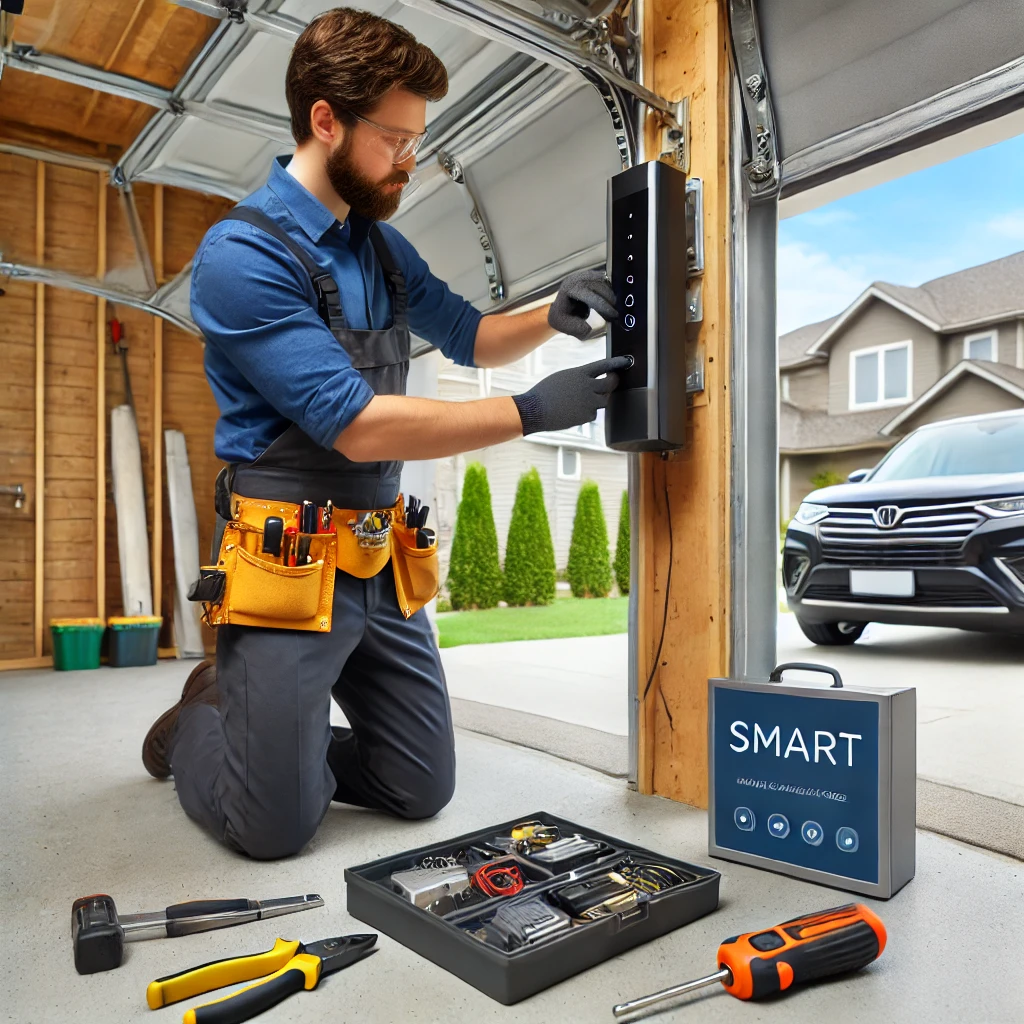
Personal protective equipment (PPE)
- Hard hats and safety glasses when removing springs or heavy sections.
- Gloves to protect from sharp metal edges on panels and tracks.
- Steel-toed shoes for moving heavy parts.
Tools and anchoring
- Appropriate spring tools and winding bars; never use improvised tools for torsion springs.
- Secure ladder placement and ground protection to prevent slips in wet conditions.
- Testing of cables and tracks before reattaching the opener to prevent sudden failures.
If the crew recommends replacing springs, insist on new, matched springs sized to your door. Springs wear over time and mixing old and new components increases the chance of failure.
Electrical and opener safety
Modern openers have safety features but must be installed and adjusted correctly. Common points to verify:
- Force and travel limits set per manufacturer instructions so the door reverses on obstruction.
- Photo-eye sensors aligned and tested at the correct height to stop closing on objects or people.
- Battery backup and manual-release procedures explained to the homeowner.
For any electrical work, ask if the technician is qualified to work with home wiring in Washington. Improper wiring can trip breakers or create shock hazards.
Weather, corrosion, and local considerations
University Place and the Puget Sound region present specific challenges. Moisture, salt air, and winter freeze cycles can accelerate rust and degrade moving parts. When planning a garage door replacement in WA:
- Choose galvanized or stainless components in coastal settings to limit corrosion.
- Insulate the door if you use the garage as a workspace or want to reduce condensation.
- Schedule replacement work on drier days when possible; wet weather can complicate installs and ladder work.
These small choices extend the life of a new door and reduce the chance of mid-winter failures.
What homeowners should verify after installation
Once the installers finish, take these verification steps before signing off:
- Run the door at least 10 open-close cycles to confirm smooth operation and consistent speed.
- Test auto-reverse with a 2×4 laid flat on the floor and the photo-eye obstruction test.
- Confirm the crew adjusted balance and that the door stays in place at mid-height when manually opened halfway.
- Request a demonstration of the manual-release and how to operate it safely during power outages.
- Collect written warranties and a list of replaced parts for future service.
These checks protect you from surprises and give you documentation if a component fails under warranty.
Maintenance to keep the door safe long-term
Routine maintenance prevents sudden breakdowns and preserves warranty coverage. Recommended homeowner maintenance:
- Monthly visual inspections for frayed cables, bent tracks, or loose bolts.
- Lubricate rollers, hinges, and springs twice a year with products specified by the manufacturer.
- Annual professional tune-up to adjust opener force, test springs, and inspect safety sensors.
Regular care turns a single garage door replacement into years of safe, reliable service from your new system. For ongoing work or to schedule a post-install inspection, visit our services page or contact us directly.
When to call a professional
Some repairs are DIY-friendly, but a garage door replacement is not one of them. Call a pro if you notice:
- Loud banging noises, uneven travel, or rapid sagging during operation.
- Visible spring gaps or frayed cables—these are immediate safety hazards.
- Opener won’t respond despite fresh batteries or the door will not manually lock into position.
A qualified team in WA will have the right tools to handle torsion springs, cable tension, and opener programming safely.
Following this guide will reduce risk during a garage door replacement and help you protect your home investment. If you’d like a local safety checklist or an estimate for a replacement tailored to University Place weather and code, reach out.
Frequently asked questions — University Place residents
Do I need a permit for a garage door replacement in University Place?
Most straight replacements that keep the same opening size do not need a permit, but if you change the header, enlarge the opening, or alter structural framing you will need a permit. Always check with the City of University Place building department before starting structural work.
How long does a typical residential garage door replacement take?
For a standard single- or double-car door swap, expect 3–6 hours on site when parts are in stock. Custom doors or structural changes can take a full day or longer. Weather delays are possible in heavy rain.
What price range should I expect in WA for a full replacement?
Basic steel doors with standard openers generally start in the low thousands. Insulated, carriage-style, or higher-wind-rated doors increase the cost. Request a written estimate for local pricing and any corrosion-resistant upgrades for coastal zones.
Does a new door come with a warranty in Washington?
Most manufacturers offer part warranties (springs, panels, openers) and some dealers add installation warranties. Get warranty details in writing and register the product if required by the manufacturer to keep coverage active.
How does Puget Sound weather affect long-term safety?
Salt air and moisture increase corrosion risk. Use galvanized hardware, stainless fasteners, and regular lubricants to reduce wear. Schedule an annual inspection to catch rust or premature wear before they cause failure.
Helpful local resources in University Place, WA
- Garage Door Repair Seattle
- Garage Door Repair Bellevue
- Garage Door Repair Redmond
- Garage Door Repair Kirkland
- Garage Door Repair Mercer Island
- Garage Door Repair Edmonds
- Garage Door Repair Issaquah
- Garage Door Repair Tacoma
- Garage Door Repair Everett
- Garage Door Repair Bothell
- Garage Door Repair Sammamish
- Garage Door Repair Renton
- Garage Door Repair Lynnwood
- Garage Door Repair Woodinville
- Garage Door Repair University Place
- Garage Door Repair Gig Harbor
- Garage Door Repair Lakewood
- Garage Door Repair Puyallup
- Garage Door Repair Mukilteo
- Garage Door Repair Vancouver
- Garage Door Repair Kenmore
- Garage Door Repair Burien
- Garage Door Repair Auburn
- Garage Door Repair South Hill
- Garage Door Repair Yarrow Point
- Garage Door Repair Clyde Hill
- Garage Door Repair Port Townsend
- Garage Door Repair Duvall
- Garage Door Repair Snoqualmie