Homeowners in University Place, WA face specific choices when planning garage door installation. This guide lays out clear, practical steps for selecting materials, budgeting, and scheduling a professional residential service so your new garage doors perform through wet winters and coastal salt air.
Plan Before You Buy: Style, Material, and Budget
Start with the basics: measure the opening, check for obstructions, and decide on a style that fits your home. A thoughtful garage door installation begins with choices that affect insulation, curb appeal, and long-term maintenance.
Materials and durability
- Steel: common for longevity and affordability; choose insulated panels for energy savings.
- Aluminum: lighter, resists corrosion near salt air but dents more easily.
- Wood: high curb appeal; requires more maintenance in a rainy climate.
- Composite: often mimics wood with better moisture resistance—good for Puget Sound conditions.
When planning garage door installation, account for insulation (R-value), wind rating, and finish. These factors matter in University Place, WA where damp weather and coastal breezes are common.
Budgeting tips
- Estimate parts vs labor: professional garage door installation can be 30–60% of the total cost depending on complexity.
- Don’t skimp on springs and openers—cheap torsion springs or undersized openers raise safety and replacement costs.
- Factor in disposal of the old door, permit fees (if required), and any framing repairs.
Local Rules, Permits, and Weather Considerations
In University Place, WA you may need a permit for structural changes or if the installation alters the garage opening. Contact Tacoma-Pierce County building services or check local permit guidance before finalizing plans.
Weather and material choices
Because the region has frequent rain and occasional freezing temperatures, choose materials and finishes that resist moisture and thermal movement. Insulated garage door installation reduces heat transfer and condensation in attached garages, protecting stored items and HVAC efficiency.
Permits and inspections
- Small replacements that don’t change framing sometimes don’t need a permit; structural swaps usually do.
- Your installer should know local permit requirements and can often pull permits as part of the residential service.
- Save copies of permits and inspection reports—useful for resale disclosures.
Hiring a Pro vs. DIY: What Homeowners Should Know
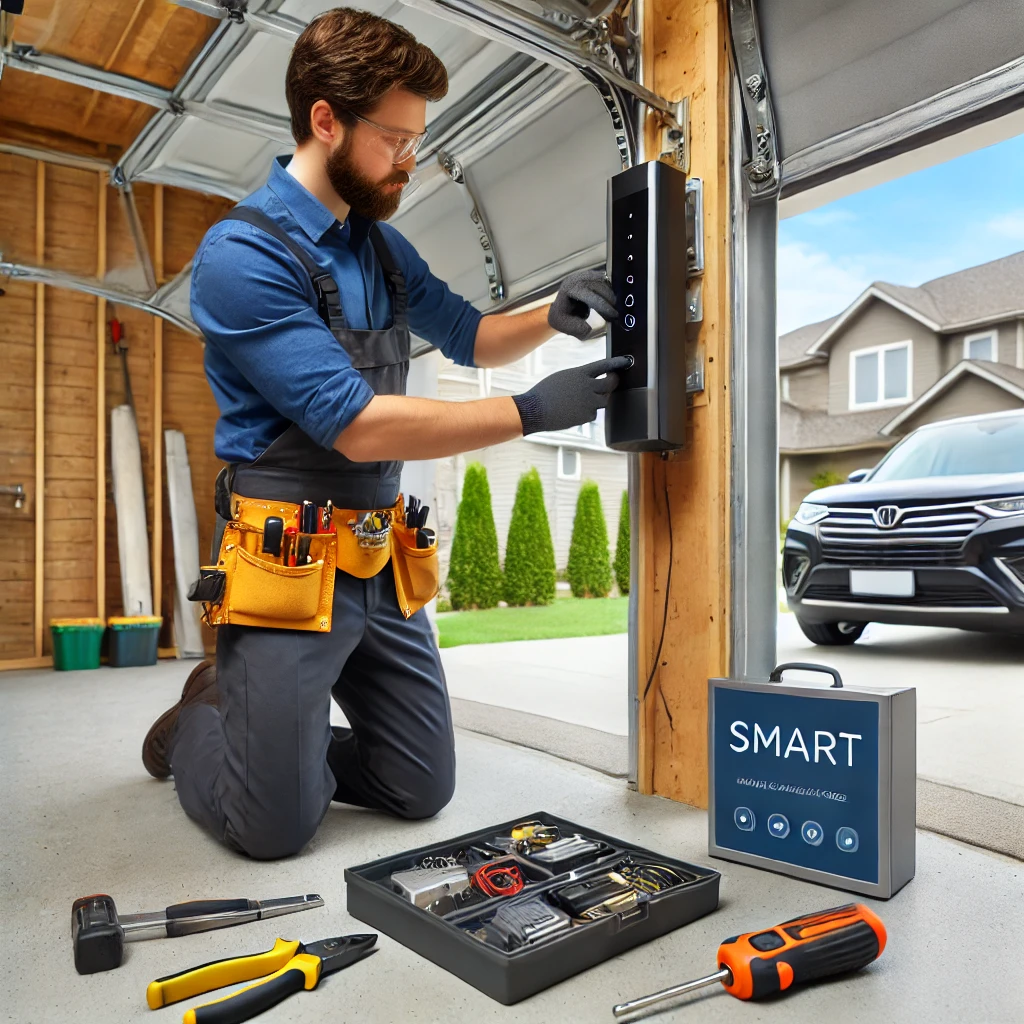
Deciding between DIY and hiring pros is about risk, time, and code compliance. Garage door installation includes heavy springs, precise hardware, and electrical hookup for openers—elements that present safety and warranty concerns.
When to hire a pro
- Replacing springs or converting to a heavier door requires specialized tools and experience.
- Permitted work or structural modifications are best handled by licensed technicians.
- Professional installation usually includes warranty coverage on parts and labor; verify details before signing.
If you want to read local project examples and homeowner tips, check our blog for case studies and seasonal advice on garage door installation in this area.
Questions to ask any installer
- Are you licensed and insured for residential service work in Pierce County?
- Do you provide written estimates and a timeline for the garage door installation?
- What warranties cover parts and labor, and are service calls charged separately?
Installation Timeline, Safety, and Aftercare
A typical garage door installation can take one day for a standard one- or two-car door if framing is sound. More complex installs—new openings, insulation, or custom doors—may take several days. Always plan for a contingency day in case of weather or unexpected repairs.
On the day of installation
- Clear the driveway and garage interior for installers to work safely.
- Confirm the quoted scope before work begins (old door disposal, opener installation, cleanup).
- Inspect springs, cables, tracks and opener operation after installation—ask for a demonstration.
Maintenance to extend performance
- Lubricate rollers, hinges, and springs annually; check balance and test auto-reverse safety features monthly.
- Replace worn weatherstripping to keep out drafts and moisture—important in our rainy climate.
- Schedule a professional safety inspection every 1–2 years as part of routine home improvement upkeep.
For a full list of services we provide—replacement doors, openers, spring repair, and preventative maintenance—see our services page.
Choosing the Right Opener and Safety Features
Modern openers add convenience and safety: battery backup, smartphone connectivity, and rolling-code remotes improve security and reliability. Select an opener matched to the door’s weight and your lifestyle; heavier insulated doors need higher torque and stronger drive systems.
To schedule an on-site estimate or to discuss permit questions specific to University Place, WA, reach out via our contact page so a technician can confirm local requirements and timelines.
Whether you’re planning a single replacement or a full garage upgrade, following this garage door installation wa expert advice for homeowners guide will help you make informed decisions about materials, warranties, and pros vs DIY. The right choices now minimize service calls later, protect your investment, and add to curb appeal.
Frequently Asked Questions
Do I need a permit for garage door installation in University Place, WA?
Permits are often required when you change the opening size or alter framing. Replacements that fit the existing opening and don’t affect structure sometimes don’t need one. Ask your installer to confirm local code or contact Pierce County building services.
How long does a typical garage door installation take?
A standard one-day install is common for like-for-like replacements. Custom doors, insulation, or framing repairs add time. Expect 4–8 hours for a single standard door and plan for potential weather delays in winter months.
What price range should I expect for a full garage door installation?
Costs vary: a basic steel door with installation can be entry-level, while insulated, carriage-style, or custom wood doors increase price. Include opener, spring quality, and removal of old door in your estimate. Get at least two written quotes from local residential service providers.
How long will new garage doors and openers last?
With proper maintenance, doors last 15–30 years depending on material; openers often last 10–15 years. Warranties differ—confirm parts and labor coverage up front and retain invoices for resale.
How does University Place weather affect my choice?
Wet, coastal-adjacent conditions favor rust-resistant finishes, sealed joints, and insulated doors to prevent condensation. Choose corrosion-resistant hardware and consider regular maintenance checks to prevent moisture-related issues.
Helpful local resources in University Place, WA
- Garage Door Repair Seattle
- Garage Door Repair Bellevue
- Garage Door Repair Redmond
- Garage Door Repair Kirkland
- Garage Door Repair Mercer Island
- Garage Door Repair Edmonds
- Garage Door Repair Issaquah
- Garage Door Repair Tacoma
- Garage Door Repair Everett
- Garage Door Repair Bothell
- Garage Door Repair Sammamish
- Garage Door Repair Renton
- Garage Door Repair Lynnwood
- Garage Door Repair Woodinville
- Garage Door Repair University Place
- Garage Door Repair Gig Harbor
- Garage Door Repair Lakewood
- Garage Door Repair Puyallup
- Garage Door Repair Mukilteo
- Garage Door Repair Vancouver
- Garage Door Repair Kenmore
- Garage Door Repair Burien
- Garage Door Repair Auburn
- Garage Door Repair South Hill
- Garage Door Repair Yarrow Point
- Garage Door Repair Clyde Hill
- Garage Door Repair Port Townsend
- Garage Door Repair Duvall
- Garage Door Repair Snoqualmie