Homeowners in University Place, WA need clear guidance when choosing materials for garage door opener repair to withstand our marine-influenced climate. This guide explains which parts matter, what materials last, and how a local technician evaluates components during a garage door opener repair.
Why materials matter for garage door opener repair
An opener is more than a motor and a remote. In a typical garage door opener repair technicians inspect the drive system, rail, fasteners, sensors, and safety components. Material choices affect longevity, noise, safety, and compatibility with your existing garage doors and home improvement goals.
Common drive types and material implications
Chain drive
Chain drive openers use metal chains and sprockets. If you need garage door opener repair for a chain drive, look for hardened or heat-treated steel sprockets and a rust-resistant chain finish. In University Place, choose components with corrosion-resistant plating or regular lubrication to resist seawater and coastal humidity.
Belt drive
Belt drive systems use a reinforced rubber or polyurethane belt. A belt is quieter and often preferred for attached garages. For belt-related garage door opener repair, select belts with internal steel or aramid reinforcement and a tough outer compound to resist UV and damp conditions.
Screw and jackshaft drives
Screw drives use a metal threaded rod; jackshaft openers mount beside the door. Both require robust metal rails and stainless or galvanized fasteners. During screw-drive garage door opener repair, check the rod for wear and the rail for pitting from salt air.
Parts to prioritize when planning a repair
When you schedule a garage door opener repair, a technician will often recommend replacing worn components with materials suited to local conditions. Prioritize the following:
- Motor housing: sealed housings with corrosion-resistant coatings reduce moisture intrusion and extend life.
- Gears: nylon gears are quieter but wear faster; metal-reinforced or composite gears resist heat and high-cycle use better.
- Drive belts/chains: choose weather-rated belts or plated chains to prevent premature failure.
- Fasteners and brackets: stainless steel or hot-dip galvanized hardware performs best in coastal suburbs of WA.
- Sensors and wiring: weatherproof sensor housings and sealed wire connectors keep safety systems reliable through rainy seasons.
For examples of service scope, see our services page to learn what a typical garage door opener repair includes and the materials we recommend.
Material choices by repair scenario
Replacing a worn gearset
If the opener grinds or fails under load, gear replacement is common. Nylon gears reduce noise but select a reinforced grade for homes with heavy doors. Your technician will match the gear material to the opener model to ensure proper meshing and long life.
Upgrading the drive
Upgrading from chain to belt (or to a quieter, higher-torque model) can reduce noise and maintenance. A typical garage door opener repair that includes a drive upgrade will replace the rail and fasteners—choose rails with corrosion-resistant finishes and brackets rated for your door weight and cycle frequency.
Sensor and wiring repair
Vision sensors, photo-eyes, and wiring often fail due to moisture and range-of-motion damage. Use sealed connectors and marine-grade cable where runs are exposed to damp air. Properly sealed sensors reduce callbacks after a repair.
Local considerations for University Place homeowners
University Place sits near Puget Sound, so salt spray in some neighborhoods, heavy rains, and seasonal temperature swings affect material performance. Here are practical local tips when planning garage door opener repair:
- Prefer stainless or hot-dip galvanized fasteners to avoid rust stains on doors and tracks.
- Ask for sealed motor housings and conformal-coated circuit boards if your garage sees salt-laden air or high humidity.
- Choose belts or chains with protective coatings and schedule lubrication at least once a year.
- Install surge protection or whole-garage surge devices if you live in an area that sees frequent electrical storms.
Budget, timelines, and warranties
Costs for garage door opener repair vary with parts and labor. As a guideline for University Place:
- Minor repairs (sensors, remotes, simple wiring): typically a couple of hours and a modest parts charge.
- Gearset, belt, or chain replacement: expect parts plus labor; often same-day or next-day service depending on parts availability.
- Drive upgrades or full opener replacement: may require 3–5 hours and higher parts cost, but newer openers add reliability and quiet operation.
Always confirm warranty terms. Manufacturers often offer motor and parts warranties; local installation warranties cover workmanship. During a garage door opener repair ask the technician to document warranty coverage for the specific materials used.
When to DIY vs hire a pro
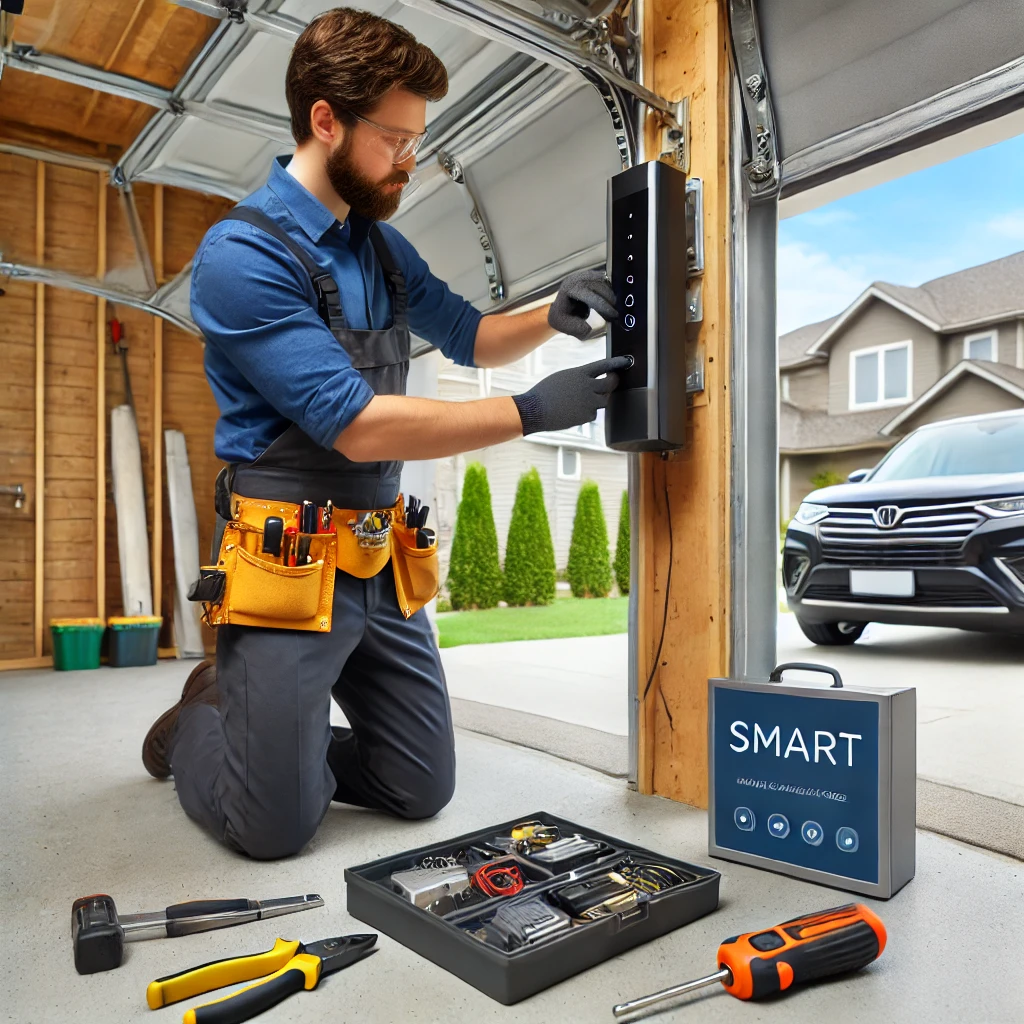
Homeowners can handle simple tasks—remote battery swaps, sensor cleaning, or tightening loose hardware. But for mechanical or electrical repairs, call a trained technician. Incorrect installation of opener components risks injury and can void warranties.
If you’re unsure, contact us through the contact page for an on-site assessment and material recommendations tailored to your garage and local weather exposure.
Quick checklist before a repair
- Identify the opener model and door weight.
- Note local exposure (near salt water, heavy shade, frequent storms).
- Ask for stainless/gala. fasteners and sealed housings if exposed to moisture.
- Confirm warranty and expected lifespan of replacement parts.
- Request a written estimate with material specifications.
For more homeowner tips and detailed articles about parts and maintenance, check our blog.
Choosing the right materials for garage door opener repair improves safety, reduces callbacks, and extends the life of your system. Local technicians know which materials resist University Place’s damp climate and which upgrades are worth the investment. If you need help prioritizing parts or scheduling a repair, call our team or use the contact link above.
Frequently Asked Questions — University Place, WA
Q: How does coastal weather in University Place affect my opener and repair choices?
A: Salt air and high humidity accelerate corrosion. Choose galvanized or stainless fasteners, sealed motor housings, and coated chains or reinforced belts during garage door opener repair to reduce rust and electrical failures.
Q: How long does a typical garage door opener repair take in this area?
A: Minor repairs (sensors, sensors alignment, remotes) often take 30–90 minutes. Gear or belt replacements and more extensive repairs typically take 1–3 hours; full replacements may require 3–5 hours depending on door weight and complexity.
Q: What price range should I expect for common repairs?
A: Expect modest charges for sensor and remote fixes. Gearset or belt repairs vary with parts: budget for mid-range parts and labor. A full opener replacement is higher but adds warranty and quieter operation—ask for an itemized estimate.
Q: Are permits required for garage door opener repair in University Place?
A: Permits are rarely required for routine garage door opener repair. Major structural changes or electrical panel upgrades may require permits—confirm with the city. Your technician can advise if a permit is needed for a larger project.
Q: What warranties cover parts and workmanship locally?
A: Manufacturer warranties cover specific parts and motors; installation warranties cover workmanship from your service provider. Always get warranties in writing and verify exclusions related to environmental corrosion.
Helpful local resources in University Place, WA
- Garage Door Repair Seattle
- Garage Door Repair Bellevue
- Garage Door Repair Redmond
- Garage Door Repair Kirkland
- Garage Door Repair Mercer Island
- Garage Door Repair Edmonds
- Garage Door Repair Issaquah
- Garage Door Repair Tacoma
- Garage Door Repair Everett
- Garage Door Repair Bothell
- Garage Door Repair Sammamish
- Garage Door Repair Renton
- Garage Door Repair Lynnwood
- Garage Door Repair Woodinville
- Garage Door Repair University Place
- Garage Door Repair Gig Harbor
- Garage Door Repair Lakewood
- Garage Door Repair Puyallup
- Garage Door Repair Mukilteo
- Garage Door Repair Vancouver
- Garage Door Repair Kenmore
- Garage Door Repair Burien
- Garage Door Repair Auburn
- Garage Door Repair South Hill
- Garage Door Repair Yarrow Point
- Garage Door Repair Clyde Hill
- Garage Door Repair Port Townsend
- Garage Door Repair Duvall
- Garage Door Repair Snoqualmie